
















Blog
Havana Travel Guide: attractions, things to do and tips
Step into Havana’s vintage charm, music-filled streets and historic squares with tips for an authentic Cuban experience.
Havana Travel Guide
Discover Havana
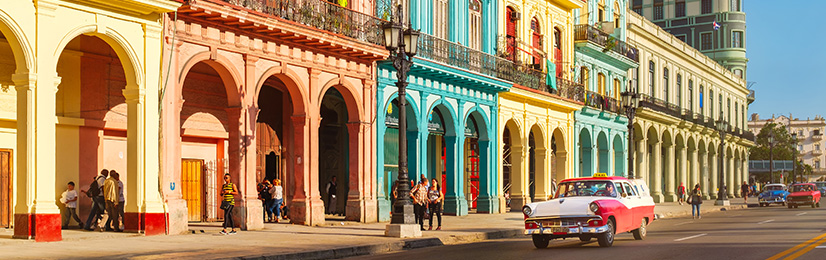
Havana is one of the most fascinating capitals in the Caribbean, a city where history, music, architecture and everyday street life come together in a unique way. Cuba’s capital is famous for its seafront boulevard, grand plazas, colonial landmarks, colorful buildings and unmistakable cultural energy.
From the historic heart of Old Havana to the lively neighborhoods along the Malecón, Havana offers visitors a rich mix of heritage and atmosphere. It is a city of contrasts, where restored monuments stand beside weathered façades, classic theaters share space with local bars and galleries, and music spills into streets, patios and squares.
Top attractions in Havana
Old Havana is the city’s historic core and one of its essential highlights. Protected as a UNESCO World Heritage Site, it is known for its colonial plazas, churches, palaces, museums and narrow streets full of architectural character.
Havana’s forts are among the most important colonial landmarks in the city. Defensive structures such as Castillo de los Tres Reyes del Morro, Fortaleza de San Carlos de la Cabaña and Castillo de San Salvador de la Punta were built to protect the port and today remain key symbols of Havana’s maritime and military history.
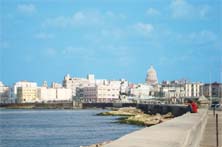
El Malecón is Havana’s most iconic waterfront avenue. Stretching along the coast, it is one of the best places in the city for a walk, sea views, people-watching and sunset scenes.
Museums are a major part of the Havana experience. The city has a wide cultural offering that includes museums dedicated to history, art, music, rum, cigars and the Cuban Revolution, making it a rewarding destination for travelers interested in culture.
Great Theatre of Havana is one of the city’s most striking buildings and one of its leading cultural venues. Its richly ornamented architecture and strong connection to ballet, opera and the performing arts make it a must-see landmark.
Things to do in Havana
Immerse yourself in Havana’s music scene and enjoy one of the city’s greatest cultural strengths. Live music is part of daily life in Havana, and visitors can experience everything from son and bolero to jazz, salsa and Afro-Cuban rhythms in bars, venues and public spaces.
Walk along the Malecón at sunset for one of the most classic Havana experiences. The seafront comes alive in the late afternoon and evening, when locals and visitors gather to relax, talk and enjoy the views.
Visit art galleries and cultural spaces to explore Havana’s vibrant creative side. The city has a dynamic visual arts scene, with galleries, workshops and exhibitions spread across different neighborhoods.
Try Havana’s cafés and ice cream parlors to experience another side of local life. The city is known for its long-standing social tradition of meeting in public spaces, cafés and classic establishments.
Learn about Cuban cigars and their importance in the country’s cultural identity. Depending on availability and current access, travelers may find museums, shops or guided experiences related to tobacco and cigar craftsmanship.
When to visit Havana
December to April is generally the best time to visit Havana if you are looking for drier weather, pleasant temperatures and lively city life. This is one of the most popular travel periods in Cuba.
May to October is the wetter season, but it can also mean fewer crowds and, at times, more attractive travel prices. Travelers visiting during these months should expect warmer conditions and a higher chance of rain.
Festival season can add even more appeal to a trip to Havana. The city is well known for hosting cultural events related to music, dance, literature, film and the performing arts throughout the year.
Travel information: how to get to Havana
By plane, Havana is served by José Martí International Airport, the main international gateway to Cuba. The airport is located outside the city center and is the usual arrival point for international visitors traveling to the capital.
By bus, Havana is connected with destinations across Cuba through long-distance bus services. This is one of the main ways to travel between the capital and other cities on the island.
By train, Havana also connects with parts of the country through Cuba’s rail network, although schedules and services can be more limited than road transport.
Getting around Havana
Many of Havana’s main attractions can be explored on foot, especially in Old Havana and nearby central areas. For longer distances, visitors often rely on taxis and other local transport options. Walking remains one of the best ways to appreciate the city’s architecture, atmosphere and street life.
Essential Havana facts
Havana is Cuba’s capital and largest city, as well as the country’s main political, cultural and economic center. Its port, historic center and defensive system played a major role in the colonial history of the Caribbean.
The city is especially famous for its architecture, music, classic urban landscapes and strong cultural personality. Havana continues to be one of the most distinctive and recognizable cities in Latin America and the Caribbean.
Why visit Havana
Havana is a destination for travelers looking for culture, history and atmosphere rather than a conventional city break. Its mix of heritage, music, seafront scenery, museums and local life creates a travel experience that is memorable and unlike anywhere else.
Whether you want to stroll through colonial streets, discover Cuba’s cultural scene, enjoy the Malecón or use the city as a starting point for a wider trip around the island, Havana is one of the most rewarding destinations in the Caribbean.