


















Blog

Seville Travel Guide: attractions, things to do and tips

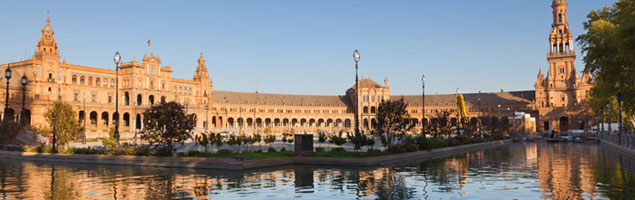
white and brown concrete building near body of water during daytime

Explore Seville’s flamenco culture, historic landmarks and lively atmosphere in southern Spain.

Seville Travel Guide

Seville is one of the most iconic cities in Spain and one of the best destinations in Andalusia for culture, history and atmosphere. Known for its orange trees, flamenco heritage, monumental architecture and festive traditions, Seville combines grand historic landmarks with lively neighborhoods, tapas culture and a warm southern character that makes it unforgettable.

As the capital of Andalusia, Seville brings together Roman, Islamic and Christian influences in one of the most impressive historic centers in Europe. The city is famous for the Cathedral, the Giralda, the Real Alcázar, Plaza de España and the charming streets of Santa Cruz, but it is also a modern and dynamic destination with excellent food, nightlife and cultural life throughout the year.

Why visit Seville?

Seville is ideal for travelers looking for a city full of history, beautiful architecture and strong local traditions. It is one of the best places in Spain to experience Andalusian culture through monuments, flamenco, tapas and major festivals such as Semana Santa and the April Fair.

The city is also very rewarding for visitors who enjoy walking. Many of Seville’s most important sights are located close to each other, which makes it easy to explore the historic center on foot while discovering plazas, patios, churches and hidden streets along the way.

Main attractions in Seville

Seville Cathedral and La Giralda

The Cathedral of Seville is one of the city’s most important landmarks and one of the great monuments of Europe. Next to it rises La Giralda, the former minaret of the mosque that once stood on the site and today one of the most recognizable symbols of Seville. Climbing the Giralda is one of the classic experiences in the city thanks to the panoramic views from the top.

Real Alcázar of Seville

The Real Alcázar is one of the most spectacular royal palaces in Spain and one of Seville’s essential visits. Its courtyards, gardens and Mudéjar architecture reflect the city’s rich Islamic and Christian heritage and make it one of the most beautiful monuments in Andalusia.

Santa Cruz

Santa Cruz is Seville’s most atmospheric historic neighborhood. Formerly the Jewish quarter, it is known for its narrow streets, whitewashed façades, flower-filled patios and shaded plazas. It is one of the best areas in the city for walking, taking photos and enjoying the atmosphere.

Plaza de España

Plaza de España is one of the most impressive public spaces in Seville and a highlight for many visitors. Built for the Ibero-American Exposition of 1929, it combines grand architecture, tiled decoration, bridges and a semi-circular design that makes it one of the city’s most photographed places.

Torre del Oro

The Torre del Oro stands on the banks of the Guadalquivir and is one of Seville’s best-known historic landmarks. It was once part of the city’s defensive walls and remains an important symbol of Seville’s river history.

Archivo de Indias

Close to the Cathedral and the Alcázar, the Archivo de Indias is another major historic building in Seville and forms part of the same UNESCO World Heritage ensemble. It is closely linked to Spain’s imperial and colonial history.

Things to do in Seville

Climb the Giralda

One of the classic things to do in Seville is to go up the Giralda and enjoy views over the rooftops, patios and church towers of the historic center.

Explore Santa Cruz without a map

Santa Cruz is best discovered slowly, letting yourself wander through its streets and small squares. Getting slightly lost is part of the experience.

Go out for tapas

Seville is one of the best cities in Spain for tapas. From traditional bars to modern restaurants, eating your way through different parts of the city is one of the best ways to enjoy local culture.

Walk along the Guadalquivir

The riverfront is one of Seville’s most pleasant areas for a stroll, especially in the late afternoon. It also offers good views of the Torre del Oro and the Triana side of the city.

See a flamenco show

Seville is one of the best places in Andalusia to experience flamenco. Whether in a more intimate venue or a larger performance space, it is one of the city’s essential cultural experiences.

Visit Plaza de España and María Luisa Park

This area is one of the most beautiful and relaxing parts of Seville, perfect for a slower pace between monument visits.

Best areas in Seville

Santa Cruz

Best for atmosphere, history and staying close to the main monuments.

El Arenal

Best for access to the Cathedral, riverfront, tapas and classic Seville atmosphere.

Triana

Best for a more local feel, ceramics, flamenco identity and life by the river.

Centro

Best for shopping, transport convenience and easy access to the main sights.

Alameda

Best for nightlife, a more alternative atmosphere and a modern urban feel.

Food and gastronomy in Seville

Seville is one of Spain’s top tapas cities. The local food scene combines traditional Andalusian dishes, lively bars and long-standing eating customs. Tapas culture is deeply rooted here, and part of the city’s charm is moving from one bar to another trying different specialties.

What to try in Seville

  • Tapas in traditional bars
  • Jamón ibérico and local cured meats
  • Spinach with chickpeas
  • Fried fish and Andalusian seafood dishes
  • Salmorejo and gazpacho in warmer months

Eating outdoors is especially common in Seville, and terraces are a major part of local life whenever the weather allows.

Best time to visit Seville

Spring is widely considered the best time to visit Seville. Temperatures are pleasant, orange blossom fills the city with its characteristic scent and the major festival season takes place during these months.

Summer in Seville is very hot, especially from June onward, so it is better suited to travelers who do not mind high temperatures and who plan to sightsee early or late in the day. Autumn is another excellent season for city walks and tapas, while winter is generally mild and good for monument visits without the biggest crowds.

Festivals in Seville

Semana Santa

Holy Week in Seville is one of the most famous religious celebrations in Spain. The processions, brotherhoods and atmosphere make it one of the most important cultural moments of the year in the city.

Feria de Abril

The April Fair is one of Seville’s most iconic festivals. It is celebrated with music, dancing, traditional dress, food, drink and social gatherings in the fairground. It is one of the great symbols of Andalusian culture and one of the most distinctive times to visit Seville.

Spring in general

Even beyond the main festivals, spring is a very special season in Seville because of the orange blossom, terrace life and pleasant temperatures.

Cultural activities in Seville

Seville offers many cultural activities throughout the week, especially in the afternoon and evening. The city is rich in museums, historic sites and performances, making it easy to combine sightseeing with more immersive cultural plans.

  • Guided city tours through the historic center
  • Visits to museums and monuments
  • Spanish film nights and cultural events
  • Visits to the Maestranza and bullfighting-related heritage sites
  • Flamenco experiences
  • Tapas tours and evening plans in traditional neighborhoods

Day trips from Seville

Seville is a very good base for discovering other destinations in Andalusia and nearby Portugal. Popular excursions include:

  • Córdoba for the Mosque-Cathedral and historic center
  • Cádiz for beaches and Atlantic atmosphere
  • Granada for the Alhambra and Moorish heritage
  • Itálica for Roman ruins close to the city
  • Carmona for a smaller Andalusian town with history
  • Tavira for a day trip into Portugal

How to get to Seville

By air

Seville is served by Seville Airport, located around 10 to 12 kilometers northeast of the city. It offers domestic and European flights and is connected to the center by airport bus, taxi and road access.

By train

Seville Santa Justa is the city’s main train station and the principal rail hub for high-speed and long-distance services. It connects Seville with Madrid, Córdoba and many other Spanish cities.

By bus

Seville has two major bus stations. Prado de San Sebastián mainly serves regional routes within Andalusia, while Plaza de Armas handles many national and longer-distance services.

Getting around the city

Seville is very walkable in the historic center. Public transport, buses, trams and taxis also make it easy to move around the city, while bikes are another popular option thanks to Seville’s relatively flat layout.

Where to stay in Seville

Seville offers accommodation for many different travel styles. The best area depends on whether you prioritize monuments, local atmosphere, nightlife or transport convenience.

  • Santa Cruz: best for historic atmosphere and first-time visitors
  • El Arenal: best for monuments, river walks and tapas
  • Centro: best for shopping and convenience
  • Triana: best for a more local neighborhood feel
  • Alameda: best for nightlife and a younger atmosphere

Who should visit Seville?

Seville is especially well suited to:

  • Travelers interested in history, architecture and Andalusian culture
  • Visitors who want to experience flamenco and traditional festivals
  • Food lovers drawn to tapas culture
  • Couples looking for a romantic and atmospheric city break
  • First-time visitors to Andalusia

Practical travel tips for Seville

  • Visit the main monuments early in the day, especially in warmer months.
  • Book accommodation and tickets well in advance if you plan to visit during Semana Santa or the April Fair.
  • Wear comfortable shoes, because the historic center is best explored on foot.
  • Plan for late meals and evening walks, especially in warmer seasons.
  • Include both the monument zone and neighborhoods like Triana or Alameda if you want a fuller picture of the city.

Final thoughts on Seville

Seville is one of the most rewarding cities in Spain and one of the great cultural destinations of Europe. Its blend of monumental heritage, local traditions, tapas culture, flamenco and beautiful streets makes it a city with enormous personality. Whether you visit for a weekend or a longer Andalusian trip, Seville offers a rich and unforgettable travel experience.