









Blog

Weekend in Spanish: Vocabulary and Expressions

row of four men sitting on mountain trail

Weekend in Spanish: Vocabulary and Expressions

Weekends in Spanish

If you are learning Spanish, one of the first things you will need to talk about is time. From planning your weekend in Spanish with friends to scheduling meetings, booking trips or talking about past and future events, calendar vocabulary is essential in everyday communication.

Whether you want to make plans for the weekend, ask what time something starts, or understand when an event takes place, knowing how to use days, months and time expressions in Spanish will help you feel more confident and independent.

In this guide, you will find everything you need to talk about time in Spanish: days of the week, months of the year, basic calendar vocabulary and useful expressions to use in real-life situations.

Why Learning Calendar Vocabulary in Spanish Is Important

Time is something you will talk about constantly in Spanish. Whether you are discussing what you did yesterday, organizing your weekend, or planning future activities, you will need to use dates, times and schedules.

This is especially important if you are in Spain or another Spanish-speaking country. Daily life often revolves around specific schedules, such as later meal times, social plans and local festivals. Understanding how to talk about time will help you:

  • Make plans for the weekend with friends
  • Schedule meetings or appointments
  • Ask about events, festivals and holidays
  • Understand timetables and travel arrangements
  • Communicate more naturally in everyday situations

It is also worth remembering that this type of vocabulary is not complicated, but it is used constantly, so learning it early will give you a strong foundation in Spanish.

Days of the Week in Spanish

Knowing the days of the week in Spanish is essential for both social and professional situations. You will use them when making plans, organizing your schedule or simply talking about your routine.

English
Monday
Tuesday
Wednesday
Thursday
Friday
Saturday
Sunday

Spanish
Lunes
Martes
Miércoles
Jueves
Viernes
Sábado
Domingo

These words are used all the time, whether you are asking:

  • ¿Qué haces el fin de semana? (What are you doing this weekend?)
  • ¿Quedamos el sábado? (Shall we meet on Saturday?)
  • ¿Tienes tiempo el domingo? (Do you have time on Sunday?)

As you can see, weekends (sábado y domingo) are especially important when making plans and socializing in Spanish.

Months of the Year in Spanish

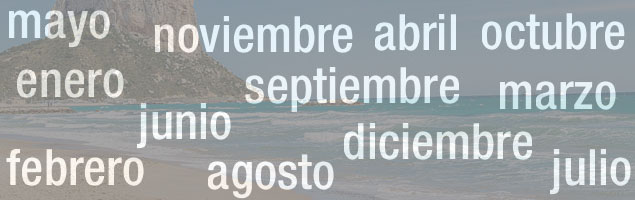
Just like the days of the week, months in Spanish are essential for talking about dates, travel plans, holidays and important events.

English
January
February
March
April
May
June
July
August
September
October
November
December

Spanish
Enero
Febrero
Marzo
Abril
Mayo
Junio
Julio
Agosto
Septiembre
Octubre
Noviembre
Diciembre

You will need these words when talking about:

  • Travel dates
  • Festivals and holidays
  • Appointments and events
  • Important deadlines

Talking About Time in Spanish

In addition to days and months, it is important to know how to talk about time in Spanish. This will help you arrange meetings, understand schedules and organize your day.

Some common questions include:

  • ¿Qué hora es? (What time is it?)
  • ¿A qué hora quedamos? (What time shall we meet?)
  • ¿A qué hora empieza? (What time does it start?)

Understanding time is especially useful in Spain, where daily routines can be different from other countries. For example, lunch and dinner are often later than in many other places, and social life—especially on weekends—can continue late into the night.

Talking About Weekends in Spanish

Weekends are a key part of social life in Spanish-speaking countries. If you want to make friends, travel or enjoy local culture, you will often find yourself talking about your plans for the weekend.

Here are some useful expressions:

  • El fin de semana – the weekend
  • Este fin de semana – this weekend
  • El próximo fin de semana – next weekend
  • ¿Qué planes tienes? – What plans do you have?
  • Vamos a salir – Let’s go out

Being able to talk about weekends naturally is a great step toward improving your conversational Spanish.

Holidays and Important Dates

Another important part of calendar vocabulary is knowing how to talk about holidays and special dates. Spain and many Spanish-speaking countries have numerous festivals throughout the year, and these are an essential part of the culture.

You may want to ask:

  • ¿Cuándo es la fiesta? (When is the festival?)
  • ¿Qué se celebra en este mes? (What is celebrated this month?)
  • ¿Qué haces en vacaciones? (What do you do on holidays?)

Understanding these expressions will help you take part in local traditions and better understand Spanish culture.

Learn for Real-Life Situations

Learning calendar vocabulary in Spanish is not just about memorizing words—it is about being able to use them in real situations. From organizing your travel plans to meeting friends or attending events, this vocabulary will be part of your daily life.

It is a good idea to become familiar with these words before traveling, especially for situations like arriving at the airport, catching public transport or arranging your schedule.

If you are studying Spanish, do not worry—your teachers will guide you through all of this. But having a basic understanding will make you feel much more confident from day one.

Mastering days, months and time expressions is a key step in your Spanish learning journey. Once you are comfortable with these basics, you will find it much easier to communicate, plan and enjoy your experience in Spanish-speaking countries.

Keep practicing, use these words in real conversations and try to incorporate them into your daily routine. Little by little, talking about time in Spanish will become completely natural.