
Blog
Spanish Architecture: Styles, History and Iconic Buildings
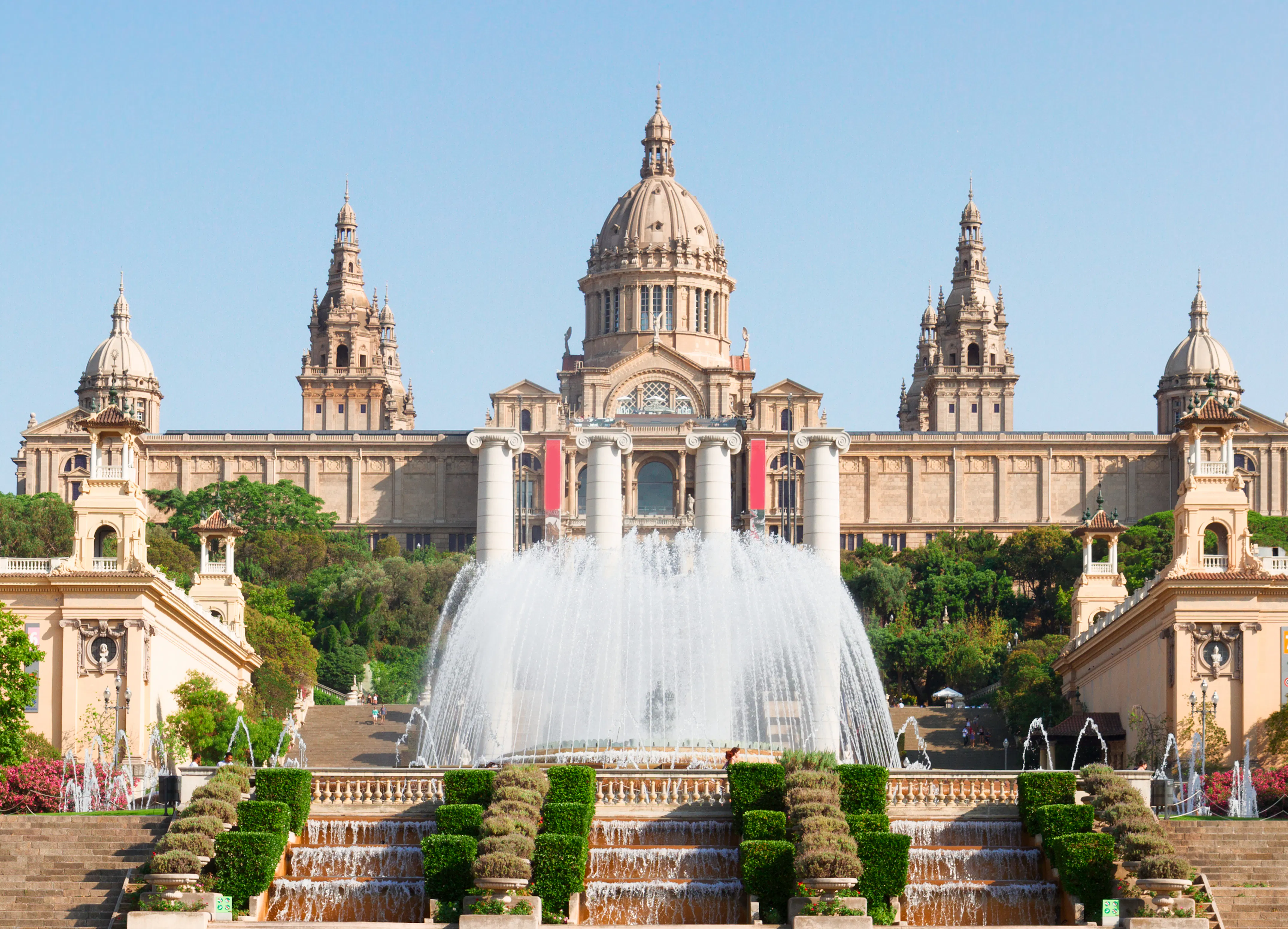
Spanish Architecture: Styles, History and Iconic Buildings
Spanish Architecture
Tradition and Innovation
Spanish architecture is one of the richest and most diverse in the world, combining centuries of history with bold modern innovation. From iconic landmarks like the Sagrada Familia to contemporary urban projects, Spain offers a fascinating architectural landscape shaped by creativity, culture and imagination.
Spanish architecture reflects a unique blend of cultural influences, including Islamic, Gothic, Renaissance and Baroque styles. This diversity is the result of Spain’s complex history and has given rise to a visual identity that is instantly recognizable across the globe.
Since the end of Franco’s dictatorship in 1975, Spain has experienced a boom in modern architecture, creating a striking contrast between historic monuments and contemporary design. Today, Spain is considered a reference point for both traditional and avant-garde architecture.
Key Features of Spanish Architecture
Across its many styles, Spanish architecture shares several defining elements. Among the most recognizable are whitewashed walls, terracotta roofs, interior patios, decorative tiles, arches and wooden details. These features are especially common in Mediterranean regions and reflect a design adapted to climate, light and social life.
One of the most internationally recognized interpretations of these elements is the so-called Spanish-style home, widely found outside Spain, particularly in the United States.
Spanish Style Homes and Their Global Influence
The popularity of Spanish-style architecture extends far beyond Spain’s borders. In places like California, this style evolved through the Spanish Colonial and Mission Revival movements, inspired by the Franciscan missions built between 1769 and 1821.
These homes are typically characterized by white walls, rounded arches, wooden beams and open courtyards, creating a warm and harmonious living environment that connects indoor and outdoor spaces.
Interestingly, this architectural style has also captivated international celebrities. Actors such as Robert Pattinson, Ben Stiller, Scarlett Johansson and Reese Witherspoon have chosen Spanish-style homes for their elegance and sense of calm. However, beyond this lifestyle appeal, these homes are rooted in centuries of architectural tradition.
Famous Spanish Architects
Spain has produced some of the most influential architects in the world, whose work has helped shape both national and international architecture.
- Antonio Gaudí – Known for his organic, imaginative designs, including the Sagrada Familia.
- Santiago Calatrava – Famous for futuristic and structural designs like the City of Arts and Sciences in Valencia.
- Rafael Moneo – A Pritzker Prize-winning architect known for blending modernity with tradition.
- Ricardo Bofill – Recognized for bold and innovative architectural concepts.
- Enric Miralles – Known for expressive and unconventional design approaches.
Iconic Buildings in Spain
Spain is home to some of the most iconic architectural landmarks in Europe. These buildings not only define the identity of Spanish cities but also attract millions of visitors every year.
- Sagrada Familia (Barcelona)
- Guggenheim Museum (Bilbao)
- Plaza de España (Seville)
- Museo Reina Sofía (Madrid)
- Ciudad de las Artes y las Ciencias (Valencia)
Unbuilt Spanish Architectural Projects
Spain’s architectural imagination goes beyond what has been constructed. Some of the most ambitious projects were never built, yet they remain an important part of architectural history.
- Monument to Columbus in Madrid – A massive globe-shaped structure planned for Retiro Park.
- Chillida’s Tindaya Project – A proposal to hollow out a mountain to create a monumental space.
- Neo-Gothic Almudena Cathedral – A more ambitious original design than the current building.
- Gaudí’s Hotel Attraction – A visionary skyscraper planned for New York.
Why Spanish Architecture Matters Today
Spanish architecture is not just about buildings; it is a reflection of the country’s identity, history and creativity. Its ability to combine tradition with innovation has made it influential worldwide.
From historic monuments to modern design and even international interpretations like Spanish-style homes, this architectural heritage continues to inspire architects, designers and travelers alike.