




















Blog

Cuenca Travel Guide: attractions and tips

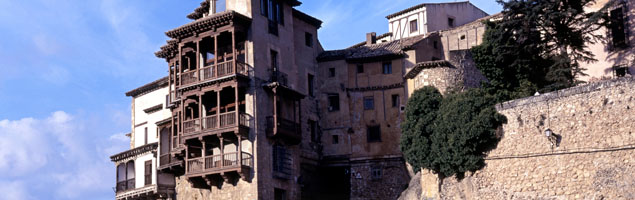
white concrete building on top of mountain during daytime

Discover Cuenca’s hanging houses, dramatic landscapes and unique old town.

Cuenca Travel Guide

Cuenca, located in central Spain between Madrid and Valencia, is a unique and historic city known for its dramatic landscapes and remarkable architecture. Declared a UNESCO World Heritage Site, Cuenca is famous for its hanging houses, medieval old town and stunning natural surroundings.

Perched on a rocky plateau between the Júcar and Huécar rivers, the city offers a perfect mix of culture, history and nature, making it an ideal destination for travelers looking for something different.

Main attractions

The most iconic sights in Cuenca are the Casas Colgadas (Hanging Houses), a group of historic buildings that appear to cling to the edge of a cliff overlooking the gorge. These unique structures date back to the 14th century and are one of the city’s most photographed landmarks.

The Cuenca Cathedral, located in the Plaza Mayor, is one of the earliest Gothic cathedrals in Spain. Its distinctive façade and impressive interior make it a key highlight of the city.

The Museum of Spanish Abstract Art, housed within the Hanging Houses, showcases an important collection of modern works and is a must-visit for art lovers.

Other notable landmarks include the Mangana Tower, offering panoramic views, the Church of San Felipe Neri and the Science Museum, which provides interactive exhibits for visitors of all ages.

Nature and surroundings

Cuenca is surrounded by impressive natural landscapes. One of the most popular nearby attractions is the Ciudad Encantada, a natural park featuring unusual rock formations shaped by erosion, creating figures that resemble familiar objects.

The area around the rivers and gorges also offers opportunities for walking, hiking and enjoying scenic views.

Local culture and festivals

Cuenca is known for its traditional celebrations. Holy Week is one of the most important events of the year, with processions that reflect the city’s strong religious heritage.

The Music Week, held in April, brings concerts and cultural performances, while the Moors and Christians festival in September celebrates historical traditions with reenactments and festivities.

Food and gastronomy

The cuisine of Cuenca is hearty and rooted in local traditions, with a strong focus on meat-based dishes. One of the most typical specialties is morteruelo, a rich pâté made from various meats and spices.

Another traditional dish is zarajos, made from lamb and grilled over a fire. River fish such as trout are also common in local recipes.

For dessert, visitors can try local sweets paired with resolí, a traditional liqueur made with coffee, cinnamon and citrus.

Weather

Cuenca has a continental climate with significant temperature variations throughout the year. Summers are warm, with temperatures around 30°C, while winters are cold, often dropping below 0°C.

Visitors should be prepared for both hot summers and chilly winters depending on the season.

Getting there

By train

Cuenca is well connected by train, particularly via the high-speed line between Madrid and Valencia, making it easily accessible from both cities.

By bus

Regular bus services connect Cuenca with Madrid and other nearby destinations, offering an affordable travel option.

By car

Cuenca can also be reached by road, with good connections from Madrid and eastern Spain.

Getting around

Cuenca is best explored on foot, especially in the historic center where most attractions are located. Due to its hilly terrain, some areas may require a bit of effort, but the views and atmosphere make it worthwhile.

Taxis are available for longer distances, particularly when arriving with luggage or traveling between different parts of the city.