



















Blog
Best Museums in Spain: Art and Culture Guide
Museums in Spain
Spain is one of Europe’s most culturally rich destinations, and its museums reflect centuries of history, art and tradition. From world-famous institutions in major cities to small, unique local museums, Spain offers an incredibly diverse museum experience for every type of traveler.
Whether you are passionate about fine art, history, religion or local traditions, visiting museums in Spain is one of the best ways to understand the country’s identity and cultural heritage.
Why Visit Museums in Spain
Spain is home to some of the most important museums in the world, including the Prado Museum in Madrid and the Guggenheim in Bilbao. However, beyond these iconic institutions, there are hundreds of smaller museums that offer equally fascinating insights into local culture, traditions and history.
Many Spanish museums are located in historic buildings such as palaces, monasteries or former estates, which adds an extra layer of interest to the visit. In addition, museums in Spain often combine exhibitions with cultural events, workshops and educational activities.
This diversity makes Spain an ideal destination for museum lovers, with options ranging from classical art collections to highly specialized and unique museums.
Types of Museums You Can Find in Spain
Spanish museums can be broadly divided into several categories:
- Fine arts museums, featuring works by artists such as Velázquez, Goya or Sorolla
- History and archaeology museums, showcasing Spain’s ancient civilizations
- Religious and cultural museums, linked to traditions and beliefs
- Local and thematic museums, focused on specific crafts, traditions or industries
While major cities concentrate large collections, smaller towns often offer more intimate and unique museum experiences.
Unique Museums in Spain: Three Examples
- Cortijo Miraflores Museum (Marbella)
The Cortijo Miraflores Museum in Marbella is a great example of how Spain preserves its local history through cultural spaces. This museum is housed in a former country estate built in 1706 by Don Tomás Francisco Domínguez y Godoy.
Originally part of a rural complex that included oil and sugar mills, the building evolved over the centuries, with expansions and gardens added in the 18th century. After a period of abandonment, it was restored and converted into a cultural center.
Today, the museum hosts exhibitions, conferences, music events and community activities. One of its most interesting features is the preserved oil mill, where visitors can learn about traditional olive oil production methods.
This type of museum highlights Spain’s agricultural past and the importance of rural estates in Andalusian history.
- Nativity Museum (Alicante)
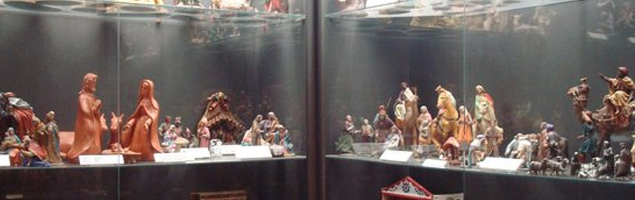
The Nativity Museum of Alicante (Museo de Belenes) offers a completely different cultural experience. Located in the historic old quarter of the city, this museum focuses on one of Spain’s most beloved Christmas traditions: nativity scenes.
In Spain, nativity scenes () are an essential part of Christmas celebrations, often displayed in homes, public squares and churches. This museum brings together hundreds of handcrafted nativity sets from Spain and around the world.
Some pieces are simple, while others are highly detailed artistic creations. Many have been made by local artisans from the Nativity Association of Alicante, while others come from countries such as India or various regions of Africa.
This museum is a perfect example of how Spanish culture values craftsmanship, tradition and religious heritage.
- San Pio V Museum of Fine Arts (Valencia)
The San Pio V Museum of Fine Arts in Valencia is one of Spain’s most important art museums. It is housed in a stunning Baroque building originally constructed between 1683 and 1744 as a seminary.
The architecture itself is a highlight, with its impressive blue dome, twin towers and elegant Renaissance cloisters. Inside, the museum holds more than 2,000 works, including paintings, sculptures and archaeological pieces.
Its most notable collection focuses on Valencian Gothic painting from the 14th and 15th centuries, with artists such as Osona, Jacomart and Reixart. However, the museum also features works by major masters including El Greco, Velázquez, Murillo, Goya and Joaquín Sorolla.
This museum represents the importance of Valencia as a historical artistic center and offers a comprehensive journey through different artistic periods.
Museums Across Spain
Every region in Spain has its own museum landscape. Major cities such as Madrid, Barcelona or Bilbao are home to internationally renowned institutions, while smaller cities and towns offer local museums that reflect regional identity.
For example:
- Madrid is known for its world-class art museums
- Barcelona combines modern art with unique cultural spaces
- Valencia offers a mix of fine arts and contemporary museums
- Andalusia features museums linked to history, traditions and rural life
This variety makes it possible to explore Spain through its museums, discovering different aspects of its culture in each destination.
Plan Your Museum Visits in Spain
If you are planning a trip to Spain, including museums in your itinerary is highly recommended. You can combine visits to major institutions with smaller, lesser-known museums to get a more complete understanding of the country.
Many museums are located in historic centers, making them easy to include in walking routes through cities. In addition, Spain’s museum network continues to grow, with new exhibitions and cultural spaces opening regularly.
From internationally famous masterpieces to local traditions, museums in Spain offer a rich and diverse cultural experience that goes far beyond typical sightseeing.
Explore Museums by City
To discover more, explore museums by destination and find the best cultural experiences in each city: