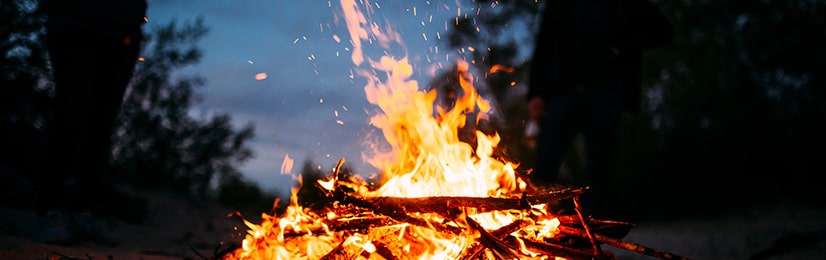


Las Hogueras de San Juan – the Bonfires of Saint John – is by far the most important event in Alicante's cultural calendar, and it stands out among the most popular festivals in all of Spain. A truly amazing experience, the somewhat extravagant celebration will certainly provide you with an exciting time and a wealth of anecdotes that will link you closely – inextricably, even – to this beloved Mediterranean city.
Here at Enforex, we want to encourage our students to experience as much of Spain's incredible culture as possible. Festivals are a wonderful way to have a first hand taste of the immensely varied range of traditions that define each city and town, which is precisely why our Spanish school in Alicante is open all year round... Even during holiday seasons! Learn more about our year-round Spanish courses in Alicante here: Alicante Courses
If you can't make it to Las Hogueras this year, the next best thing might be to read about it to learn all the background information about this unique festival and get prepared for the occasion when you might be able to visit. We guarantee you, after reading this section you will be left pining to witness the real thing!
When and Where is Las Hogueras?
While the whole festival lasts for five days, the inauguration of the fiestas comes at midnight, on the evening of June 20, as the summer solstice takes place. Evidently, a pagan rite connected with the agricultural implications of the arrival of the summer, huge bonfires have been built in Alicante to celebrate the occasion for centuries. It is an autochthonous Alicantine tradition to jump over the bonfire, although in recent years the size of the fires have made this far harder, and also unreasonably dangerous!.
Despite its obvious pagan root, the Hogueras have long been linked to the feast day of saint John, which is celebrated on June 24. That is precisely the day when Las Hogueras come to an end. While Saint John's Eve is celebrated all over the country, from Barcelona to Vigo and all the way down to Andalucía, nowhere are the arrangements as sumptuous and as striking as in Alicante, where the entire city comes, quite literally, to a full stop in order to pay their respect to the tradition in the rightful fashion. So, for the maddest and most famous bonfires in the country, be sure to head to the Mediterranean shoreline of Alicante.
Las Hogueras Traditions
The most famous part of Las Hogueras de San Juan is not surprisingly the blazing hogueras (bonfires). Traditionally, these Hogueras were nothing more than piles of junk and old furniture collected during massive summer house-cleaning. Constructed of wood and paper maché, today's Hogueras are elaborate works of art, reminiscent of the massive structures of Valencia's Las Fallas.
On the big night of the hogueras, fireworks are set off from a bay in the shape of a palm tree on the picturesque castle of Santa Bárbara, just above the bay of Alicante, to mark the beginning of the fiestas with a literal bang. From that moment on, Alicante's 88 hogueras light up the night one by one. Traditionally, once the fire was blazing, you had to jump seven times around the flames or go in the water, superstitions which resulted in the magical atmosphere that continues to shroud the night of San Juan.
Although the fires eventually die down – nowadays thanks to the firemen – the party continues throughout Alicante for several days and nights. Rockets blast off, balloons float up in the air, parades snake through the streets, and fireworks festively illuminate the sky each night at midnight. Finally, there is an annual competition to elect the next Belleza del Fuego (Beauty of the Fire), who then serves as the festival's queen along with her six ladies of honor.
History of Las Hogueras
This tradition has been going on for centuries, but the Hogueras and the accompanying festivities that you see today have existed in their present form since 1928. The celebratory bonfires were originally part of an agricultural pagan ritual marking June 21, the longest day of the year. The religious undertones of Las Hogueras, and its attachment to the feast day of San Juan (Saint John) came as an afterthought.