
Blog
Guía de viaje de Murcia: atracciones y cosas que hacer
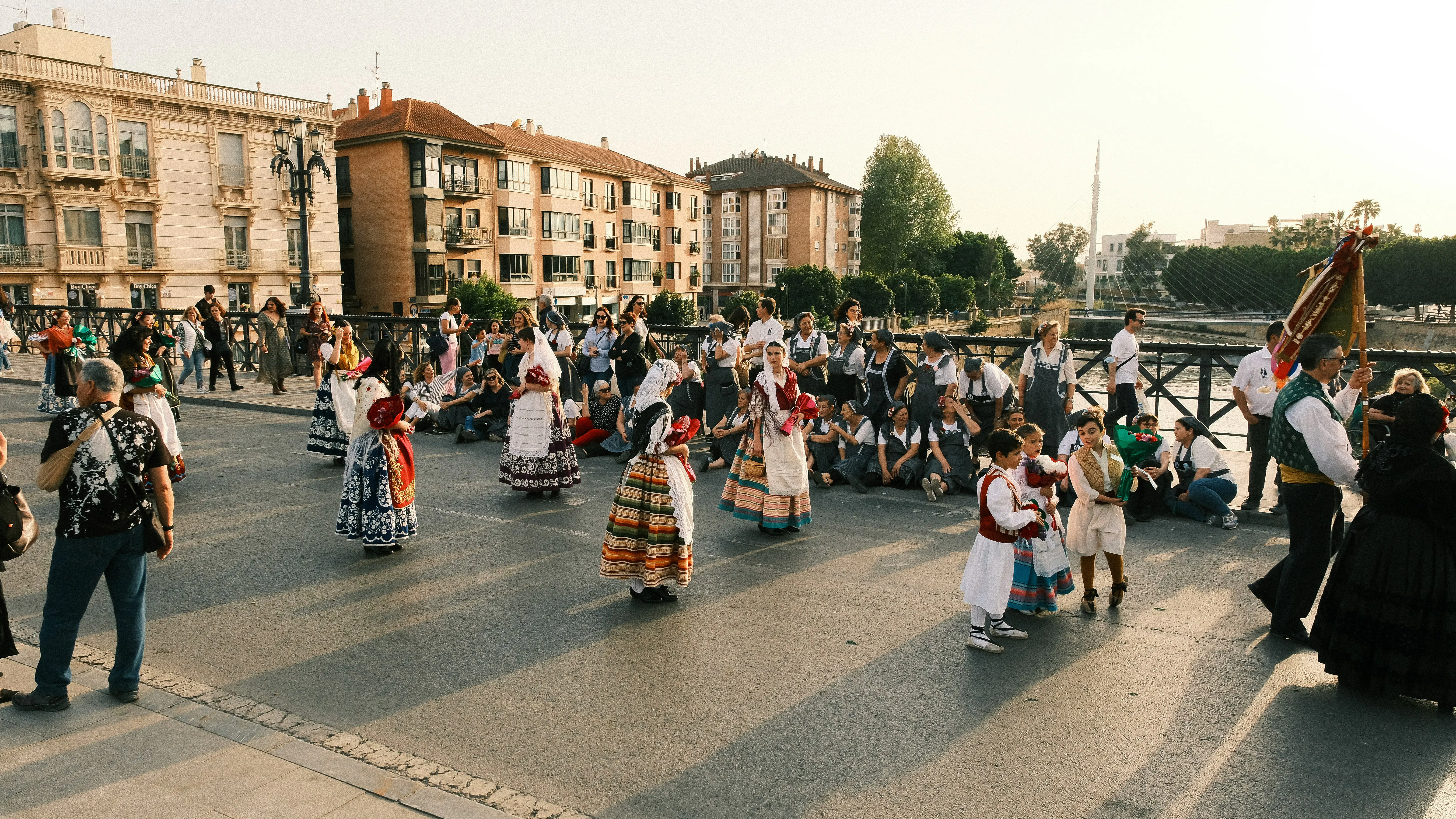
Explora el clima soleado de Murcia, su arquitectura barroca y su gastronomía local.
Guía de viaje de Murcia
Murcia, situada en el sureste de España, es una ciudad soleada y tranquila conocida por su rica historia, su hermosa arquitectura y su ambiente local auténtico. Fundada en el siglo IX durante la época musulmana, la ciudad ha evolucionado hasta convertirse en un destino vibrante que combina patrimonio cultural con un relajado estilo de vida mediterráneo.
A menudo ignorada por el turismo de masas, Murcia ofrece a los visitantes una experiencia más genuina de España, con plazas animadas, monumentos históricos y un ambiente acogedor.
Principales atracciones
La Catedral de Santa María es el monumento más emblemático de Murcia. Construida entre los siglos XIV y XVIII, combina estilos gótico, renacentista y barroco. Su impresionante campanario, uno de los más altos de España, ofrece vistas panorámicas de la ciudad.
Junto a la catedral se encuentra el Palacio Episcopal, un elegante edificio del siglo XVIII conocido por su fachada ornamentada y su hermoso patio.
El Real Casino de Murcia, un edificio histórico del siglo XIX, es uno de los puntos arquitectónicos más destacados de la ciudad. Sus interiores ricamente decorados incluyen un salón de baile, una biblioteca y un patio de estilo árabe.
El centro histórico de Murcia está lleno de iglesias barrocas como Santo Domingo, San Miguel y La Merced, que reflejan la prosperidad de la ciudad durante el siglo XVIII.
El Museo Salzillo muestra las obras de Francisco Salzillo, uno de los escultores barrocos más importantes de España, especialmente conocido por sus esculturas religiosas.
Fuera del centro, el Castillo de Monteagudo se alza de forma dramática en lo alto de una colina, ofreciendo una visión del pasado musulmán de Murcia. Otro lugar importante es el Monasterio de Los Jerónimos, un gran conjunto histórico a menudo comparado con El Escorial.
Para pasear con tranquilidad, el Paseo del Malecón a lo largo del río Segura y zonas como la Plaza Santo Domingo, la Plaza Romea y la Calle Trapería son perfectas para disfrutar del ambiente de la ciudad.
Cultura y ambiente
Murcia es una ciudad universitaria y de vida relajada. Su centro peatonal, el clima soleado y la animada vida callejera la hacen ideal para explorar a pie.
La ciudad conserva una fuerte identidad local, ofreciendo a los visitantes una visión auténtica de la vida cotidiana en el sur de España.
Fiestas
La Semana Santa en Murcia es famosa por sus procesiones únicas con esculturas de Francisco Salzillo, que combinan tradición religiosa y patrimonio artístico.
Las Fiestas de Primavera, que se celebran después de la Semana Santa, están entre las celebraciones más importantes de la ciudad, con desfiles, música y el famoso Entierro de la Sardina.
La Feria de Septiembre es otro gran evento, con conciertos, festejos tradicionales y una romería dedicada a la Virgen de la Fuensanta.
Gastronomía
La cocina murciana se basa en ingredientes frescos y locales procedentes tanto de las fértiles tierras agrícolas como del cercano mar Mediterráneo.
Los platos típicos incluyen el caldero (arroz con pescado), el zarangollo (huevos revueltos con verduras), arroz con conejo y una variedad de recetas de mariscos.
Las especialidades locales también incluyen guisos contundentes, embutidos curados y postres tradicionales como los paparajotes, un dulce único hecho con hojas de limón.
Clima
Murcia tiene un clima mediterráneo semiárido con veranos calurosos e inviernos suaves. La ciudad goza de más de 300 días de sol al año.
Las temperaturas en verano son altas, alcanzando a menudo 30°C o más, mientras que en invierno suelen ser suaves, entre 4°C y 16°C.
Cómo llegar
en-avion
Los aeropuertos más cercanos son el Aeropuerto Internacional de Murcia y el Aeropuerto de Alicante, ambos con conexiones nacionales e internacionales.
En tren
Murcia está conectada por ferrocarril con ciudades importantes como Madrid, Alicante y Cartagena.
En autobús
La ciudad cuenta con servicios regulares de autobús que la conectan con destinos por toda España, incluyendo Valencia, Granada y Madrid.
Cómo moverse
El centro histórico de Murcia está en gran parte peatonalizado, lo que facilita explorarlo a pie.
La ciudad también cuenta con una red de transporte público que incluye autobuses y un sistema de tranvía, proporcionando un acceso cómodo a otras zonas.