
Blog
Quito Travel Guide: Attractions, tips and things to do
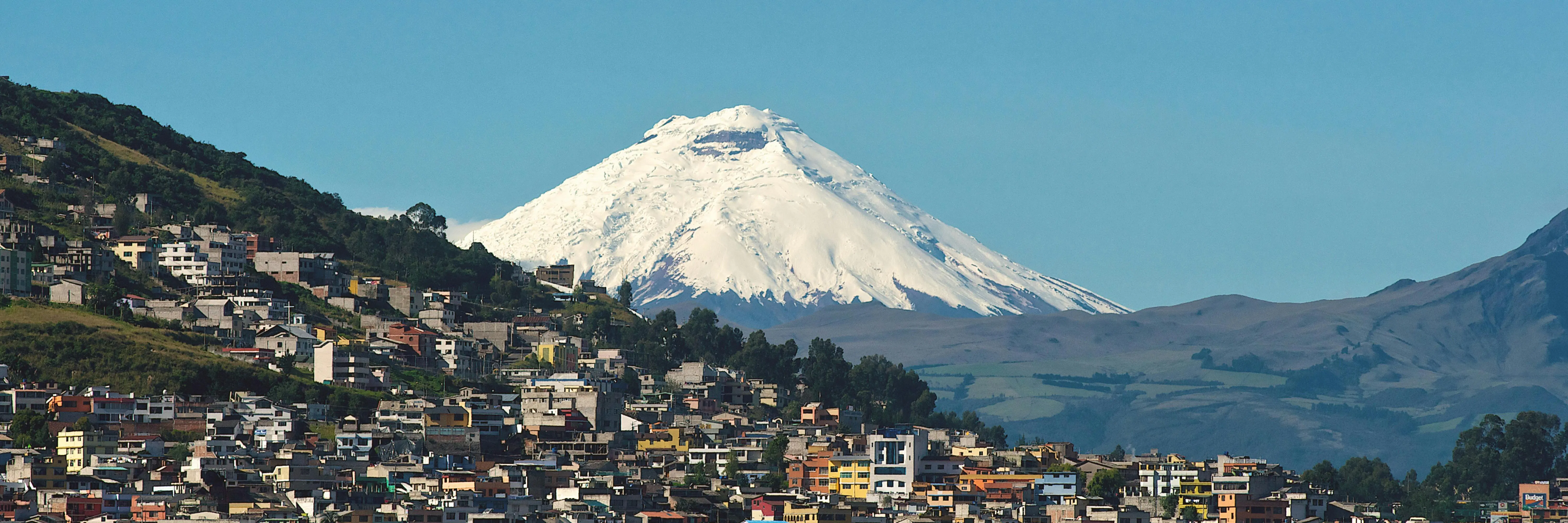
Discover Quito’s historic center, Andean views and cultural attractions in Ecuador’s high-altitude capital.
Discover Quito
Quito, the capital of Ecuador, is one of the most fascinating cities in South America. Set high in the Andes and close to the equator, it combines a mild climate with spectacular mountain scenery, colonial heritage and easy access to nature.
The city is especially famous for its historic center, one of the best preserved in Latin America and recognized as a UNESCO World Heritage Site. Quito offers visitors a remarkable blend of Baroque churches, plazas, museums, viewpoints, markets and nearby natural attractions, making it an excellent destination for culture, history and day trips in the Andes.
Top attractions in Quito
- Old Town is the highlight of Quito and one of the city’s great treasures. Walking through its cobblestone streets reveals colonial architecture, monasteries, churches, plazas and historic buildings that make this area one of the most impressive historic centers in the Americas.
- Iglesia de la Compañía de Jesús is one of the most spectacular churches in Quito. Famous for its richly decorated interior and extraordinary Baroque design, it is one of the city’s essential architectural landmarks.
- Iglesia y Plaza de San Francisco are among the most iconic places in Quito’s historic center. The monumental church and convent complex, together with the large square in front of it, form one of the city’s most recognizable colonial settings.
- Plaza de la Independencia, also known as Plaza Grande, is the political and symbolic heart of Quito. Surrounded by the cathedral, government buildings and important historic façades, it is one of the city’s main gathering places.
- La Mitad del Mundo is one of the most famous attractions near Quito. This monument and surrounding complex celebrate Ecuador’s position on the equator and remain a classic excursion from the capital.
- Museums are an important part of the Quito experience. Visitors can explore collections dedicated to pre-Columbian art, social history, religion and Ecuadorian culture in museums such as Museo de la Ciudad and other major cultural institutions in the historic center.
- TelefériQo is one of the best ways to enjoy panoramic views of Quito. The cable car climbs the slopes of Pichincha and offers impressive vistas over the city and surrounding Andean landscape.
Things to do in Quito
- Explore the streets of the Old Town and take time to admire churches, plazas, terraces and traditional architecture. Walking through the historic center is one of the best ways to understand the city’s character.
- Go shopping for crafts and discover Ecuadorian textiles, pottery, jewelry and handmade goods. Quito offers markets and shops, while nearby towns in the Andes provide even more traditional artisan products.
- Take a day trip to Otavalo, one of Ecuador’s best-known market towns. It is especially famous for its handicrafts and indigenous market culture, making it one of the most popular excursions from Quito.
- Explore nature around the city with excursions to places such as Cotopaxi National Park, Mindo and cloud forest areas nearby. Quito is an excellent base for combining city travel with mountains, volcanoes, birdwatching and outdoor activities.
- Visit museums and cultural spaces to learn more about Ecuador’s history, indigenous cultures and artistic traditions.
When to visit Quito
Quito can be visited throughout the year thanks to its mild highland climate. Because of its altitude, temperatures are usually spring-like rather than tropical, even though the city is close to the equator.
- Holy Week is one of the most striking times to visit Quito if you are interested in religious traditions and historic processions in the old town.
- December is also a lively period in the city, with celebrations, food events and cultural activities that give visitors a festive atmosphere.
For many travelers, the drier months are especially appealing for sightseeing and day trips, but Quito’s cultural calendar means there is something interesting happening during much of the year.
Travel information: how to get to Quito
- By plane, Quito is served by Mariscal Sucre International Airport, the city’s main gateway for domestic and international travelers. The airport is located in Tababela, outside the historic center, and connects Quito with destinations across the Americas and beyond.
- By bus, Quito is well connected to the rest of Ecuador through its main bus terminals, with routes to cities in the north, south and other parts of the country.
- By road, Quito also serves as a strategic base for exploring the Andes, nearby volcanoes, market towns and cloud forest regions.
Getting around Quito
Many of Quito’s main historic attractions can be explored on foot within the old town. For longer distances, visitors can use taxis, public transport and other urban mobility options to move between districts such as the historic center, La Mariscal and northern Quito.
Essential Quito facts
Quito is one of the highest capital cities in the world and one of the most historically important urban centers in South America. Its preserved colonial center, Andean setting and cultural diversity make it one of Ecuador’s most rewarding destinations.
The city also works well as a gateway to other parts of Ecuador, including the northern Andes, cloud forests, national parks and even onward travel to the Galápagos.
Why visit Quito
Quito is ideal for travelers looking for a destination that combines history, architecture, culture and access to nature. Its historic center, religious heritage, museums, viewpoints and surrounding landscapes create a travel experience that feels both urban and adventurous.
Whether you want to discover colonial Ecuador, take day trips into the Andes, shop for traditional crafts or enjoy one of South America’s most atmospheric historic capitals, Quito offers a complete and memorable experience.