
Blog
Spanish Tapas: Guide to Traditional Small Dishes
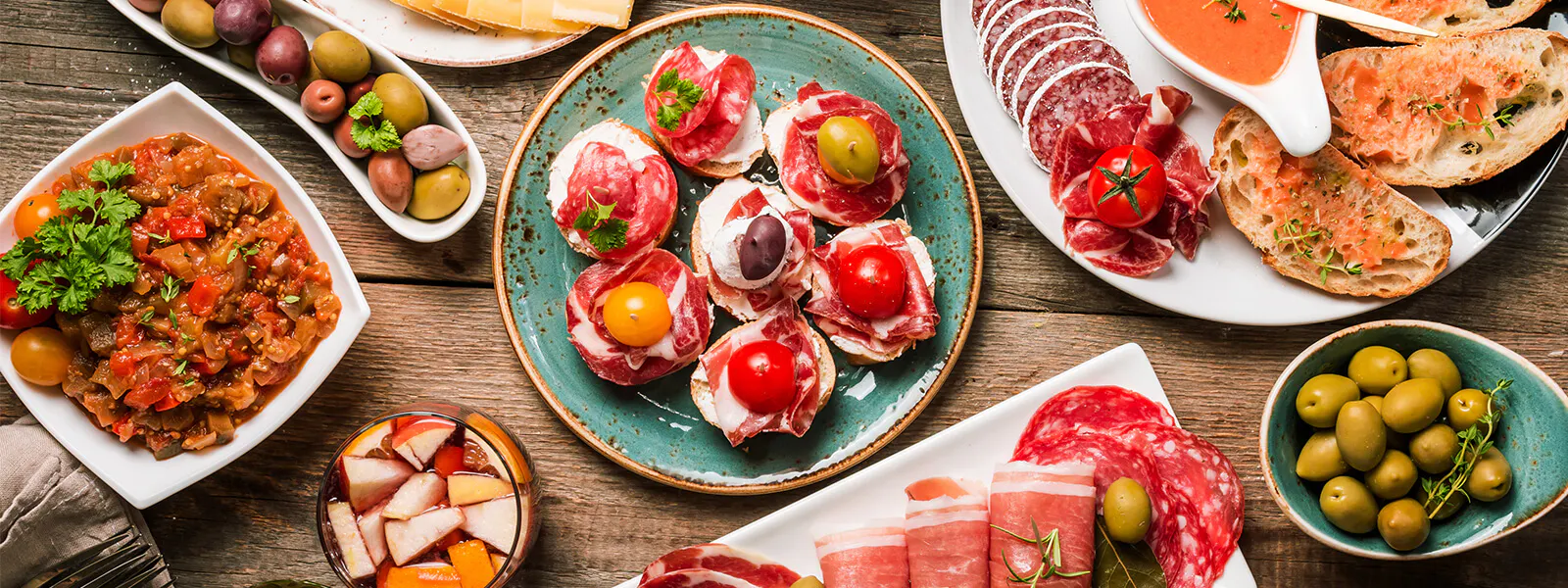
Spanish Tapas: Guide to Traditional Small Dishes
Spanish Tapas: History, Traditions and Must-Try Dishes
Spanish tapas are one of the most iconic elements of Spain’s culture and gastronomy. More than just food, tapas represent a social experience, a way of life and a unique culinary tradition that brings people together. Whether you're visiting Madrid, Seville or any other Spanish city, going out for tapas — known as — is an essential experience.
What Are Tapas?
Tapas are small dishes or snacks traditionally served alongside a drink. They can range from simple olives or cheese to elaborate hot dishes prepared with meat, seafood or vegetables. Today, tapas can be enjoyed as a full meal by combining several plates and sharing them with friends.
History of Spanish Tapas
The origin of tapas is surrounded by legends. One of the most popular stories dates back to Spanish royalty. According to a well-known legend, King Alfonso XIII stopped at a tavern in Cádiz and ordered a glass of wine. To protect the drink from dust blowing in through the window, the waiter covered the glass with a slice of ham. When the king asked why, the waiter explained that it was to (cover) the drink. The idea quickly caught on among the royal court.
Other versions of the story attribute the origin to King Alfonso X, who supposedly promoted eating small portions of food with wine for health reasons. While these stories vary, it is widely accepted that the earliest tapas consisted of simple ingredients like ham, cheese or cured meats placed on top of drinks.
Over time, these humble beginnings evolved into a rich and varied culinary tradition. Today, tapas are enjoyed across Spain, with each region offering its own specialties and interpretations.
The Tapas Tradition: How to Eat Like a Local
Eating tapas is not just about the food — it’s about the experience. The traditional way to enjoy tapas is standing at the bar, sharing different dishes with friends and moving from one bar to another. This social activity creates a lively atmosphere where conversation flows as easily as the food and drinks.
In some regions, especially in cities like Granada or León, tapas are served free with your drink and can be quite generous — sometimes almost a full meal. In other areas, tapas are simpler and may consist of olives, nuts or small snacks, with the option to order additional dishes separately. Either way, the goal is the same: enjoy a variety of flavors while experiencing local culture.
Typical Spanish Tapas
Although tapas vary by region, there are some classic dishes you’ll find almost everywhere in Spain:
- Jamón serrano: Cured Spanish ham, simple and full of flavor.
- Tortilla española: Traditional potato omelette, served in slices or cubes.
- Croquetas: Creamy fried bites filled with ham, chicken, cod or mushrooms.
- Patatas bravas: Fried potatoes served with a spicy tomato sauce.
- Calamares: Fried squid, especially popular in Madrid.
- Gambas al ajillo: Prawns cooked in garlic and olive oil.
- Albóndigas: Meatballs in a rich sauce.
- Boquerones: Anchovies marinated in vinegar, oil and garlic.
- Queso: A wide variety of Spanish cheeses.
- Chorizo and chistorra: Traditional Spanish sausages.
Tapas You Can't Miss
If you're exploring Spain, there are certain tapas you absolutely must try:
- Croquetas: Crispy on the outside and creamy inside, with many different fillings.
- Tortilla española: One of Spain’s most iconic dishes.
- Pulpo a la gallega: Octopus with paprika, olive oil and potatoes.
- Boquerones en vinagre: Fresh marinated anchovies.
- Jamón ibérico: A premium Spanish delicacy.
- Oreja: A traditional dish made from pig’s ear, grilled or stewed.
In coastal areas, seafood tapas such as sardines, cuttlefish or small fish are especially common, often served with bread. Inland regions tend to focus more on meats, cheeses and hearty dishes.
Tapas Tour in Spain
Going on a tapas tour is one of the best ways to discover Spanish cuisine. This involves visiting several bars in one evening, trying a different tapa in each place. It’s a fun, informal and authentic way to explore local neighborhoods and culinary traditions.
Each region offers a different tapas experience. In the north, you’ll find (small bites often served on bread), while in the south, seafood and fried dishes are more common. No matter where you are, a tapas tour is always a highlight.
Best Places for Tapas in Madrid
Madrid is one of the best cities in Spain to enjoy tapas. Some of the most popular neighborhoods for a tapas tour include:
La Latina: Famous for its traditional taverns and lively atmosphere.
Plaza Mayor: The historic heart of Madrid, surrounded by classic tapas bars.
Chueca: A trendy neighborhood with modern and fusion tapas.
Plaza de España & Pintor Rosales: A vibrant area popular among locals and students.
Why Tapas Are Essential to Spanish Culture
Tapas are much more than food — they represent Spain’s social lifestyle. Sharing dishes, moving from bar to bar and enjoying long conversations are all part of the experience. Whether you’re trying traditional recipes or modern creations, tapas offer a perfect introduction to Spanish culture and cuisine.