
Blog
Valencia Travel Guide: attractions, tips and things to do
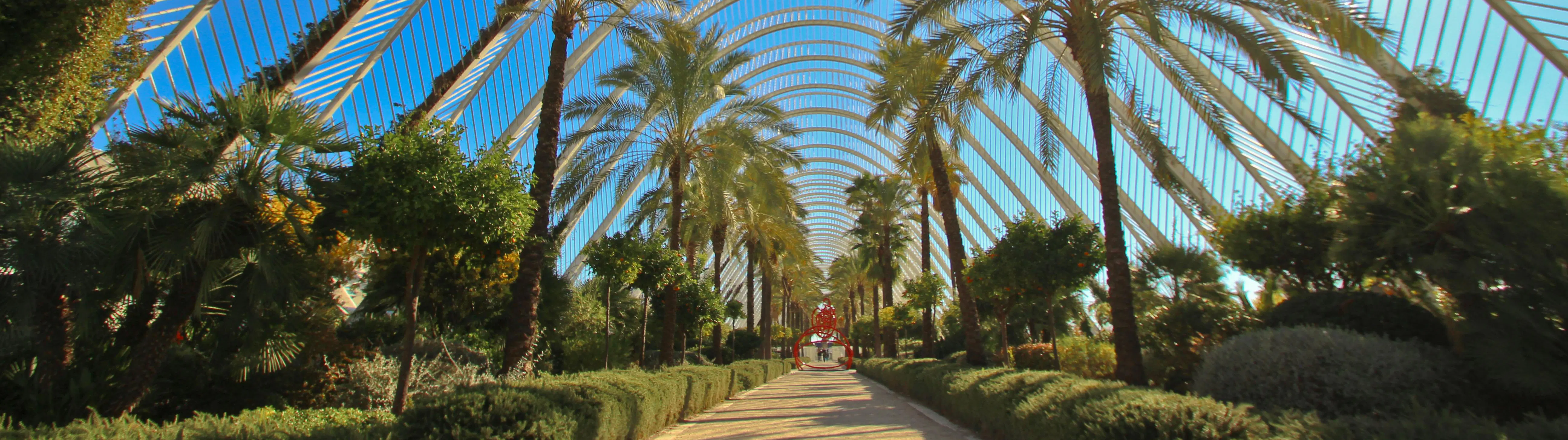
Experience Valencia’s blend of tradition and modernity, from historic sites to futuristic architecture and beaches.
Valencia Travel Guide
Valencia is one of the most complete city destinations in Spain. Located on the Mediterranean coast, it combines historic monuments, modern architecture, beaches, green spaces and one of the country’s strongest food traditions. It is also the birthplace of paella and home to Las Fallas, one of Spain’s most famous festivals.
What makes Valencia especially appealing is its balance. It has the energy and cultural offer of a major city, but it also feels open, easy to navigate and strongly connected to nature thanks to its beaches, the Turia Gardens and the nearby Albufera Natural Park. Whether you are interested in architecture, gastronomy, museums, seaside walks or local festivals, Valencia offers a rich and varied travel experience.
Why visit Valencia?
Valencia is ideal for travelers who want a mix of history, modern design and Mediterranean lifestyle. The city allows you to move from a Gothic old town to futuristic cultural buildings and then to the beach, all within the same day.
It is also a great choice for food lovers, thanks to its rice dishes, fresh produce and strong local culinary identity. Add to that the city’s lively festivals, good weather and walkable neighborhoods, and Valencia becomes one of the most attractive destinations in Spain for both short breaks and longer stays.
Main attractions in Valencia
City of Arts and Sciences
The City of Arts and Sciences is Valencia’s most iconic modern landmark and one of the city’s biggest attractions. Designed as a futuristic cultural complex, it includes major buildings dedicated to science, the arts and marine life. It is one of the essential places to visit in Valencia.
Oceanogràfic
The Oceanogràfic is one of the highlights of the City of Arts and Sciences and one of the most visited attractions in Valencia. It is especially popular with families and travelers interested in marine life.
Valencia Old Town
Valencia’s historic center is full of character and is one of the best places to understand the city’s long history. Here you will find traditional squares, churches, markets and monuments that reflect the Roman, Islamic and Christian past of the city.
El Carmen
The Barrio del Carmen is one of the most atmospheric neighborhoods in Valencia. Its winding streets, historic buildings, bars and urban character make it one of the best areas to walk around and enjoy the city’s historic side.
Turia Gardens
The Jardín del Turia is one of Valencia’s great urban assets. This long green park runs through the city and offers gardens, paths, sports areas and a relaxed setting that links many key parts of Valencia.
Valencia Beaches
Valencia’s city beaches are another of its major advantages. Beaches such as Las Arenas and Malvarrosa make it possible to combine a city break with time by the sea.
Things to do in Valencia
Visit the City of Arts and Sciences
This is one of the most important things to do in Valencia. The architecture alone makes it worth visiting, and many travelers spend a large part of the day exploring its buildings and surroundings.
Spend time at the beach
Valencia is one of the best Spanish cities for travelers who want both urban life and beach access. Malvarrosa and Las Arenas are the best-known options and are ideal for a walk, a swim or a long lunch by the sea.
Walk through the old town
The historic center is perfect for discovering churches, markets, plazas and traditional architecture. It is one of the city’s most rewarding areas for walking.
Explore the Turia Gardens
The Turia Gardens are one of the best places in Valencia for walking, jogging, cycling or simply taking a break from sightseeing. They help give the city its spacious and relaxed feel.
Enjoy local food
Valencia is one of Spain’s top destinations for food. Trying local rice dishes, tapas and horchata is a key part of the experience.
Best areas in Valencia
Ciutat Vella
Best for history, monuments, classic city atmosphere and central location.
El Carmen
Best for nightlife, local character and a more bohemian feel.
Ruzafa
Best for restaurants, cafés, nightlife and a more modern urban atmosphere.
Beach Area
Best for travelers who want easy access to the sea and seafront restaurants.
City of Arts and Sciences Area
Best for modern architecture and a more open, contemporary setting.
Food and gastronomy in Valencia
Valencia is one of the best food cities in Spain. It is especially famous for rice dishes, Mediterranean ingredients and products from the fertile surrounding farmland.
What to try in Valencia
- Paella Valenciana
- Other traditional rice dishes
- Fresh seafood
- Horchata with fartons
- Tapas and market food
- Fresh orange juice and citrus products
Paella is Valencia’s most internationally famous dish, but the city’s culinary identity goes well beyond that, with a strong tradition of local produce, seafood and Mediterranean cooking.
Best time to visit Valencia
Valencia is a year-round destination thanks to its Mediterranean climate. Spring and autumn are especially good for sightseeing, outdoor dining and walking around the city. Summer is ideal for travelers who want to prioritize the beach, while winter remains mild compared with many inland and northern European destinations.
March is one of the most distinctive times to visit because of Las Fallas, while summer brings a more beach-focused atmosphere and additional outdoor events.
Festivals in Valencia
Las Fallas
Las Fallas is Valencia’s most famous festival and one of the biggest celebrations in Spain. Large satirical monuments are displayed across the city and then burned at the end of the festival. Fireworks, mascletàs, parades and street celebrations make this one of the most spectacular times of year to visit Valencia.
Feria de Julio
The July Fair brings concerts, fireworks and summer festivities to the city, adding more reasons to visit Valencia during the warmer months.
Cultural activities in Valencia
Valencia has a broad cultural offer that combines museums, walking tours, contemporary architecture and local traditions. It is a city where modern and historic cultural experiences work especially well together.
- Guided walking tours through the city
- Visits to the City of Arts and Sciences
- Museum visits
- Spanish film nights and cultural events
- Food-related experiences
- Outdoor cultural activities and festivals
Day trips from Valencia
Valencia is also a good base for exploring the surrounding region. Popular day trips and excursions include:
- La Albufera for nature, boat rides and rice-field landscapes
- Xàtiva for a historic inland town and castle views
- Sagunto for Roman and medieval heritage
- Requena for wine and a more rural experience
- Peñíscola for a coastal day trip with a striking old town
- Dénia for the coast and Mediterranean atmosphere
How to get to Valencia
By air
Valencia Airport is located a short distance from the city and is well connected to the center. It handles domestic and European flights and is one of the easiest ways to reach Valencia from other countries and regions of Spain.
By train
Estació del Nord is one of Valencia’s best-known railway stations and is centrally located. Valencia is also well connected by high-speed and long-distance train services to Madrid and other major Spanish cities.
By bus
Valencia’s main bus station offers regional and national routes, making travel by road another practical option.
Getting around the city
Valencia is easy to get around thanks to its walkable center, metro, buses, tram connections and bike-friendly layout. Many visitors find that a combination of walking and public transport is enough for most of their stay.
Where to stay in Valencia
Valencia offers accommodation for many different styles of travel. The best area depends on whether you prefer history, beach access, nightlife or a modern setting.
- Ciutat Vella: best for monuments and classic city atmosphere
- El Carmen: best for nightlife and character
- Ruzafa: best for restaurants, cafés and a trendy urban stay
- Beach districts: best for seaside plans and a more relaxed atmosphere
- City of Arts and Sciences area: best for modern architecture and open space
Who should visit Valencia?
Valencia works especially well for:
- Travelers looking for a city-and-beach combination
- Food lovers interested in paella and Mediterranean cuisine
- Visitors interested in both historic and modern architecture
- Couples looking for a balanced and attractive city break
- Travelers who want a less hectic alternative to Madrid or Barcelona
Practical travel tips for Valencia
- Plan at least one full day for the City of Arts and Sciences if you want to visit several parts of the complex.
- Try authentic paella in the region where it was born, but remember that it is usually eaten at lunch.
- Choose your area carefully depending on whether you want nightlife, monuments or beach access.
- If you visit during Las Fallas, book accommodation well in advance.
- Take advantage of the Turia Gardens for walking or cycling between different parts of the city.
Final thoughts on Valencia
Valencia is one of Spain’s most versatile and enjoyable destinations. Its blend of historic streets, futuristic landmarks, beaches, gardens and excellent food makes it a city with broad appeal and strong identity. Whether you come for Las Fallas, for paella, for architecture or for a Mediterranean city break, Valencia offers a memorable and very complete travel experience.